Inspiration

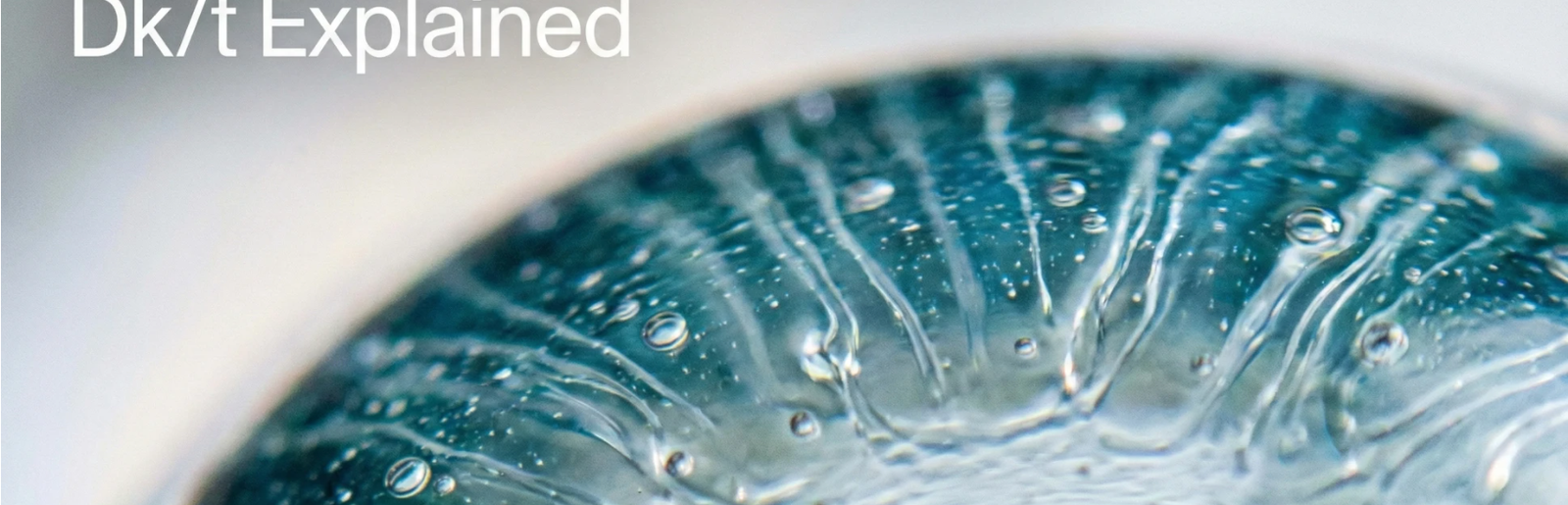
Silicone Hydrogel Colored Contacts: What “Breathable” Really Means (Dk/t Explained)

Last updated: January 20, 2026
Written by: Moody Editorial Team
 
Expert background referenced (public sources):
Prof. Jia Qu — Ophthalmology & optometry educator known for advancing optometric education in China (“Wenzhou Model”) and formerly served as President of Wenzhou Medical University. Public sources also note honorary doctorates from the New England College of Optometry (2002) and the State University of New York (2013).
 
Disclosure (important): This article references publicly available biographical information for educational context. It does not imply a product endorsement by Prof. Jia Qu unless explicitly stated.

Executive Summary

  • “Breathability” in contact lenses is commonly discussed using oxygen transmissibility (Dk/t)—a measure of how much oxygen can pass through a lens to your cornea.
  • Silicone hydrogel materials are generally associated with higher oxygen transfer than many traditional hydrogel designs, which may help reduce end-of-day “tired eyes” for some wearers.
  • Comfort is multi-factor: oxygen matters, but so do lens fit, surface wetting, screen time, and environment (dry AC air, travel).
  • Always follow safe wear & care habits—don’t sleep in daily-wear lenses and avoid water exposure (shower/swim).

      Breathe+ — Silicone Hydrogel Color Contacts (Made for Long Days)

      If you’re looking for a color lens that prioritizes comfort, moody Breathe+ is designed around a silicone hydrogel material profile and comfort-forward surface feel—so            your eyes can look brighter without feeling “done” by mid-afternoon.

       Why people choose it:

  • Silicone hydrogel material profile (higher oxygen potential than many hydrogels, design-dependent)

  • Comfort-first feel for screen time + dry environments

  • Natural, low-saturation color designs for “your eyes, but brighter”

The “Breathable” shift in color contacts

For years, many color contact wearers felt stuck with a trade-off: style vs comfort. If your eyes look red, feel dry, or get tired by the end of the day, it’s not always “just you.” The lens material and design can play a big role. One major shift is that silicone hydrogel, long associated with many modern medical contact lenses, is now increasingly available in colored lenses too—making it easier to choose a material profile designed to support oxygen flow, while still getting the look you want. This guide breaks down what “breathable” really means, explains Dk/t in plain language, and gives you a practical checklist for choosing color contacts for long days.

ใส่ความเห็น

อีเมลของคุณจะไม่แสดงให้คนอื่นเห็น ช่องข้อมูลจำเป็นถูกทำเครื่องหมาย *